Vikram Kumar B R’s Decade of Theatre, Acting and Direction
Before becoming widely associated with Kuchipudi choreography, cultural festivals and institution building, Vikram Kumar B R, popularly known as Bathina Vikram Goud, developed an important foundation in theatre. His involvement with acting and direction added another dimension to his artistic career and later influenced the way he approached thematic dance productions.
For approximately a decade, Vikram Kumar contributed to the Department of Theatre Arts at Andhra University, participating in mythological, social and philosophical plays. His theatre journey allowed him to explore characterisation, dramatic presentation, stage direction and storytelling—skills that would later become valuable in his work as a choreographer and cultural organiser.
Theatre as an Extension of Artistic Training
Vikram Kumar’s artistic journey began during childhood and was nurtured by continuous encouragement from his father. His primary artistic discipline became Kuchipudi, but his interests gradually expanded into other areas of performing arts.
At Andhra University, he completed a Master of Arts in Kuchipudi with distinction. Alongside his dance education, he pursued formal training in theatre and obtained Diplomas in Acting and Direction.
This combination of dance and theatre education gave him an opportunity to understand performance from multiple perspectives.
A dancer must master movement, rhythm and expression, while an actor must communicate character and emotion. A director, meanwhile, has to understand the complete stage picture and coordinate different elements of a production.
Vikram Kumar’s training brought these three perspectives together.
A Decade with Theatre Arts
His association with the Department of Theatre Arts at Andhra University lasted around ten years.
During this period, he participated in productions covering mythological, social and philosophical subjects.
Each category presented different challenges.
Mythological theatre requires performers to understand established characters and cultural narratives. Social plays demand an ability to communicate contemporary situations and human relationships. Philosophical productions require performers to convey ideas and emotions that may not always be expressed through straightforward action.
Working across these genres gave Vikram Kumar broad exposure to theatrical storytelling.
Acting and Direction
Vikram Kumar’s theatre experience was not restricted to acting.
His Diploma in Direction provided him with an understanding of how an entire production is constructed. Direction requires attention to performers, stage movement, timing, narrative flow and audience response.
This experience later became particularly relevant to his work as a choreographer.
A thematic dance production shares several characteristics with theatre. It requires a narrative framework, coordination between performers, appropriate staging and a clear relationship between movement and storytelling.
His theatre background therefore became an important part of the foundation for his later choreographic work.
Recognition During Important University Events
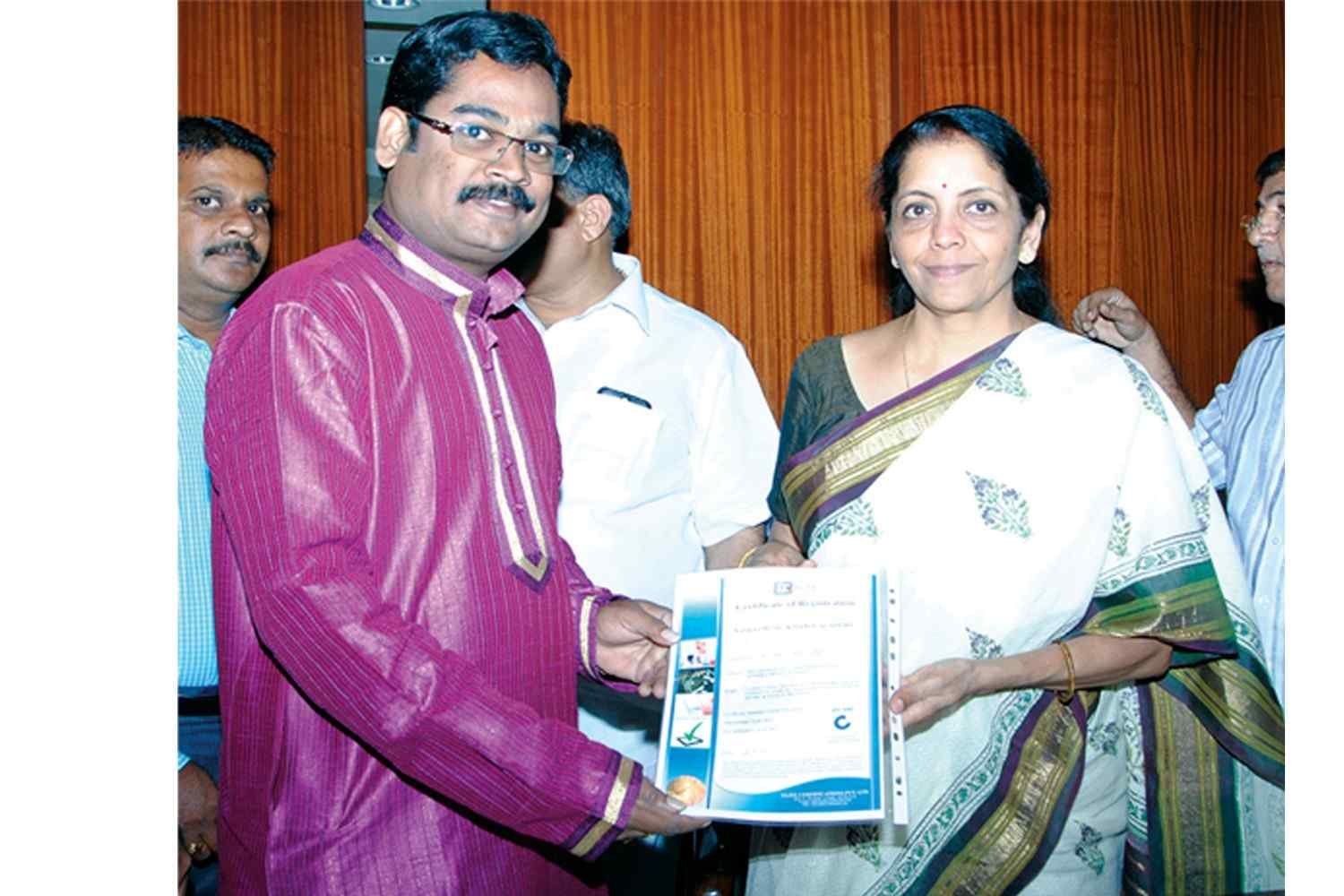
Vikram Kumar’s contributions to university theatre also received national-level attention during important official visits.
His directorial and acting accomplishments attracted attention during the official visit of former President of India Dr. A.P.J. Abdul Kalam to Andhra University.
His work was also noticed during visits by UGC and NAAC inspection committees, according to the profile of his career.
Such occasions provided opportunities for university performers to demonstrate their artistic capabilities before distinguished visitors and institutional representatives.
For Vikram Kumar, these experiences formed part of a larger stage journey that connected university theatre with his developing career in Indian classical arts.
Theatre Influencing Dance Choreography
The influence of theatre can be seen in Vikram Kumar’s later work as a choreographer.
Rather than concentrating exclusively on solo dance presentations, he developed thematic productions involving larger narratives.
One of the prominent examples is Chenchu Lakshmi Narasimha Kalyanam, an experimental ballet based on the traditions and history associated with Lord Narasimha of Simhachalam. The production combines Kuchipudi with traditional folk forms and has reportedly been presented at more than 150 venues across India.
The scale and narrative structure of such a production require skills that extend beyond technical dance training.
Storytelling Through Movement
Theatre teaches performers to think about how audiences follow a story.
This principle is equally important in thematic dance.
A choreographer must decide how a story begins, how characters are introduced, how different scenes connect and how the performance reaches its conclusion.
Dance provides its own storytelling vocabulary through gestures, facial expressions, rhythmic patterns and movement.
Vikram Kumar’s background in acting and direction provided him with experience in interpreting stories before translating them into dance-based productions.
A Diverse Creative Portfolio
His choreographic work includes productions covering a wide range of subjects.
Sri Krishna Leelalu explores mythological storytelling, while Maha Visakha Vaibhavam focuses on cultural themes.
Swachh Ganga – Swachh Bharat connects classical dance with environmental awareness, and Youth Never Sleeps addresses youth and social themes.
The diversity of these productions reflects an artistic outlook shaped by both classical dance and theatre.
Instead of treating dance and theatre as separate disciplines, Vikram Kumar has used experiences from both to develop larger performance concepts.
Theatre and Cultural Preservation
His theatre journey also connects with his wider philosophy of cultural preservation.
Vikram Kumar has advocated preserving Indian classical arts as complete knowledge systems rather than focusing only on individual movements.
This includes literature, repertoire, choreography, music, gurus, performers, performance practices and documentation.
Theatre is part of this cultural ecosystem because many traditional narratives have historically travelled through performance.
When stories are performed, they remain accessible to audiences. When they are documented and taught, they can also be transmitted to future generations.
Building Institutions After the Stage
Vikram Kumar’s theatre experience eventually became part of a much broader cultural career.
In 2000, he founded the Nataraj Music and Dance Academy, creating an institutional platform for training and cultural activities.
The academy has supported education in Kuchipudi, Indian folk traditions, Indian classical music and instrumental music.
It has also organised festivals, workshops, seminars, competitions and other cultural events.
His institutional work demonstrates the transition from being a performer on stage to becoming a person involved in creating opportunities for other performers.
From Actor to Cultural Organiser
Theatre provided Vikram Kumar with an early understanding of collaboration.
A successful production depends on the combined efforts of performers, directors, musicians, technicians and organisers.
That understanding can become especially valuable when organising large cultural festivals involving multiple artistes and performance traditions.
His later work in festival organisation and cultural institution building therefore represents a natural extension of the collaborative experience gained through theatre.
The Lasting Impact of Theatre Training
Theatre remained an important influence even as Vikram Kumar’s career expanded into dance research, choreography, cultural journalism and festival organisation.
The ability to understand a story, develop a stage presentation and communicate with an audience has remained relevant across these different roles.
His experience in acting and direction also helped him approach classical dance as a dramatic and communicative art rather than simply a sequence of technical movements.
A Foundation for a Larger Artistic Career
Vikram Kumar B R’s decade of involvement with Andhra University’s Department of Theatre Arts represents an important chapter in his professional journey.
His training in acting and direction, combined with extensive participation in mythological, social and philosophical plays, provided him with practical stage experience that complemented his Kuchipudi education.
That foundation later supported his work as a choreographer of thematic productions and as an organiser of cultural platforms.
His career illustrates how different performing arts disciplines can strengthen one another.
For Vikram Kumar, theatre was not a departure from classical dance. Instead, it became another tool for understanding storytelling, stagecraft, performance and audience connection—skills that continue to influence his broader mission to preserve and promote Indian cultural heritage.